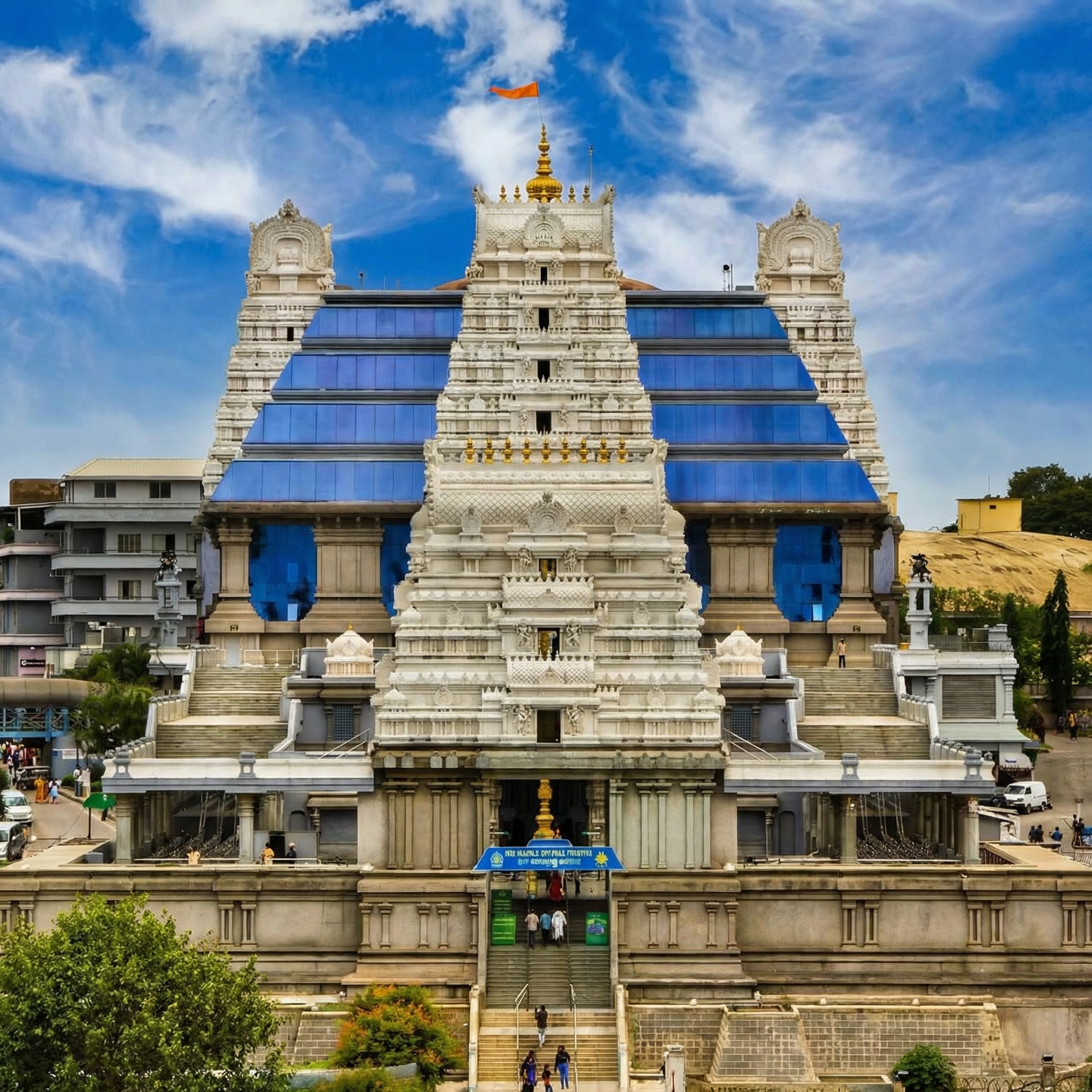


Bangalore is one of those cities that surprises you the moment you stop thinking of it as just a tech hub. The city carries centuries of history under its modern exterior, with tree-lined avenues, centuries-old temples, sprawling public parks, and neighborhoods that each have their own distinct character. Whether you are visiting for work and want to make the most of a few free days, or planning a dedicated trip to explore what the city offers, this Bangalore travel guide will give you everything you need to move through the city with confidence.
What Makes Bangalore Worth Visiting
Bangalore sits at an elevation of roughly 900 meters above sea level, which gives it a climate that stays relatively comfortable compared to most other major Indian cities. Summers are mild, winters are cool enough to need a light jacket in the evenings, and even the monsoon months bring a kind of freshness that makes walking around the city genuinely enjoyable. This climate has shaped the city’s culture in visible ways. People spend time outdoors. Parks are well-used. Street food culture thrives on pavements and in small lanes. The city is also home to communities from across India and internationally, which means the food, festivals, and social life here carry a range of influences you won’t find concentrated like this anywhere else in Karnataka.
The city’s geography is fairly straightforward once you understand its zones. Central Bangalore holds most of the heritage landmarks, government buildings, and older neighborhoods. South Bangalore contains some of the quieter residential areas, important temples, and Lalbagh Botanical Garden. East Bangalore has grown rapidly and now includes major commercial corridors. North Bangalore connects the city to Kempegowda International Airport and several newer developments. For most tourists, Central and South Bangalore will occupy most of their time.
Top Tourist Places in Bangalore
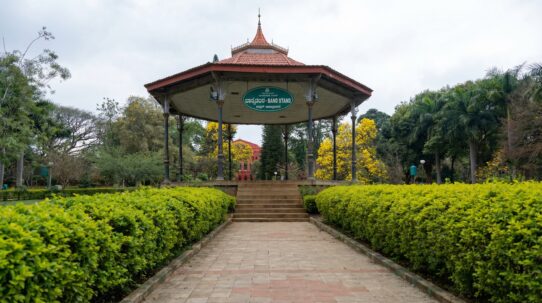
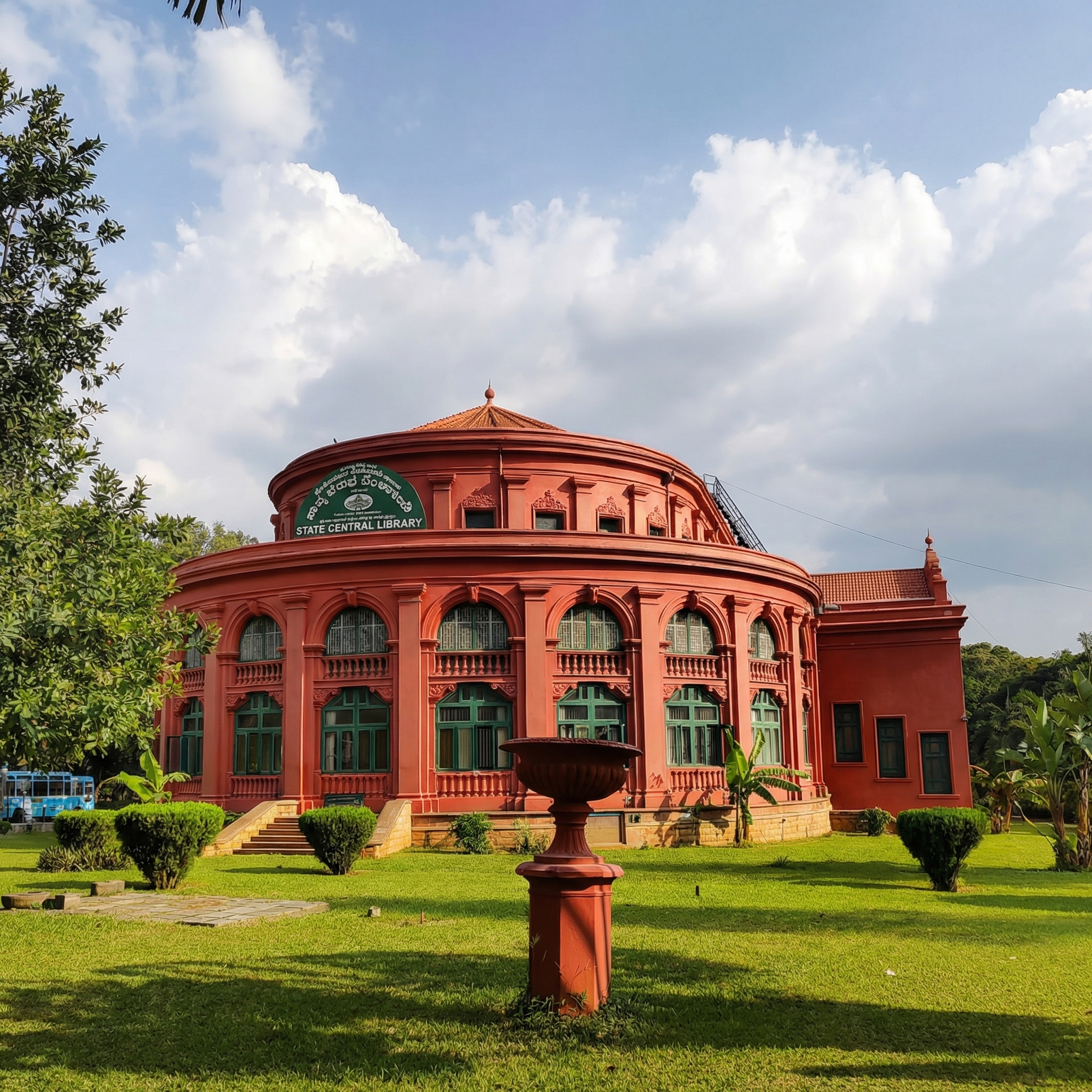
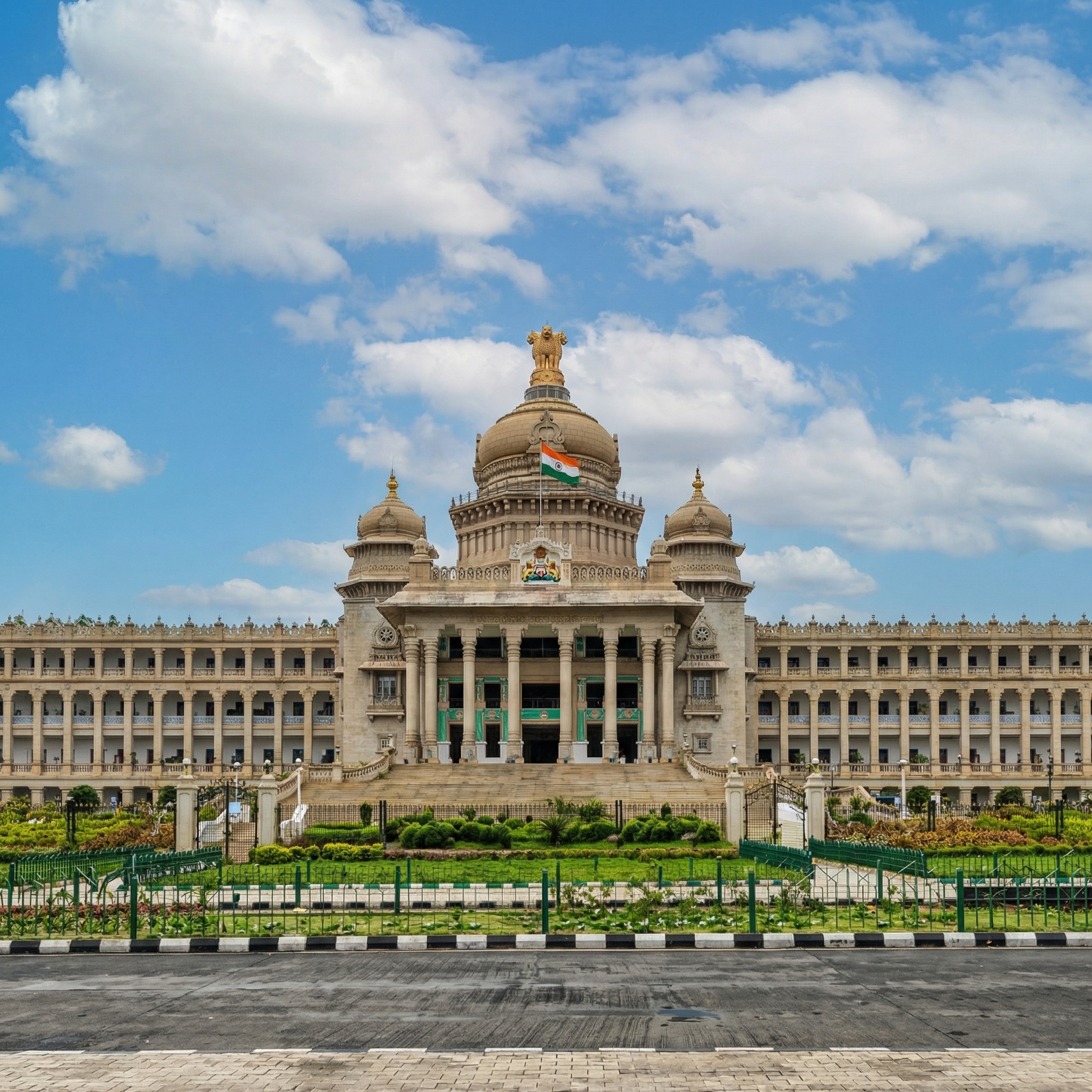
Cubbon Park is the first place most visitors end up, and for good reason. Spread across roughly 300 acres in the heart of the city, it gives you a rare combination of history and green space in a single location. The park contains several colonial-era buildings including the Attara Kacheri, which is the Karnataka High Court building, and the State Central Library. Walking through the park on a weekday morning before the crowds arrive is one of the genuinely pleasant experiences Bangalore offers. You will find joggers, retired residents on benches, children on school visits, and birds that have made the canopy their permanent home.
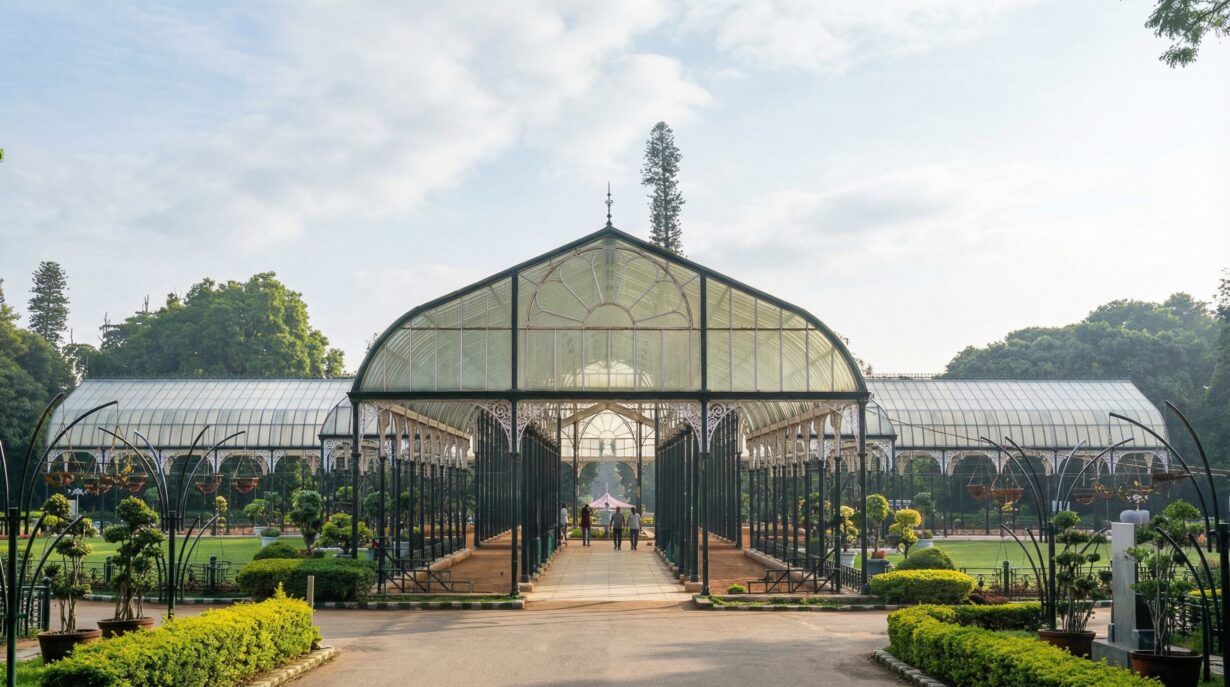
Lalbagh Botanical Garden in South Bangalore is older than Cubbon Park and arguably more impressive in terms of horticultural depth. Established in the 18th century under Hyder Ali and expanded by Tipu Sultan, Lalbagh contains over a thousand species of plants, a 3,000-million-year-old rock formation at its center, and a glass house modeled on London’s Crystal Palace. The biannual flower show held here in January and August draws visitors from across the state. The garden is large enough that even on busy weekends you can find quiet corners where the city noise fades completely.
Bangalore Palace is one of the most architecturally striking buildings in the city. Built in Tudor style in 1887, the palace has fortified towers, arched entryways, and interior rooms that are ornate in a way that feels genuinely different from the Dravidian and Mughal influences you see elsewhere in Karnataka. The palace is still partly used by the Wadiyar royal family, so not all areas are open to visitors, but the accessible sections and the grounds are worth the entry fee. The palace also hosts concerts and cultural events through the year.
Tipu Sultan’s Summer Palace, located near KR Market in the old city area, offers a sharp contrast to Bangalore Palace. It is built entirely from teak wood with ornate pillars, delicate arches, and painted ceilings. The structure dates to the late 18th century and is a well-preserved example of Indo-Islamic architecture. The area around it, including the nearby Jamia Masjid, gives you a sense of the older, pre-colonial layers of Bangalore that are easy to miss if you stay in the newer parts of the city.
How to Travel Around Bangalore
Bangalore has expanded significantly over the past two decades, which means the distances between tourist spots can be larger than they appear on a map. The Namma Metro is the most reliable way to move between key areas. The Purple Line runs from Baiyappanahalli in the east to Mysuru Road in the west, passing through central stations like Majestic and Cubbon Park. The Green Line runs north to south. Between these two lines, you can reach most of the major tourist areas without dealing with road traffic.
For areas not covered by the metro, app-based cab services like Ola and Uber are widely available and generally dependable. Auto-rickshaws are an option too, though it is worth confirming the fare before you get in if the driver does not want to use the meter. Renting a bicycle or an electric scooter through one of the city’s bike-sharing apps is increasingly popular for exploring specific neighborhoods like Indiranagar or Koramangala, where the streets are relatively manageable and the areas are compact enough to cover on two wheels.
Traffic in Bangalore is a real factor. The city is notorious for congestion during morning and evening rush hours, roughly 8 to 10 AM and 5 to 8 PM on weekdays. Scheduling your travel to tourist spots during late morning or early afternoon on weekdays will save you significant time. Weekends bring different crowds to popular areas like MG Road and Brigade Road, but traffic moves more freely.
Practical Travel Tips for Bangalore Visitors
Carry a light jacket regardless of what season you visit. Bangalore evenings can drop to 15 to 18 degrees Celsius even in what technically counts as summer, and the city’s residents dress accordingly. Restaurants and shopping malls keep their air conditioning aggressive, which makes the temperature gap between indoors and outdoors more pronounced.
Most of the major tourist sites like Lalbagh, Cubbon Park, and Bangalore Palace charge a nominal entry fee, usually between 20 and 100 rupees for Indian nationals. The Bangalore Palace charges more and is worth confirming in advance, as prices have been updated in recent years.
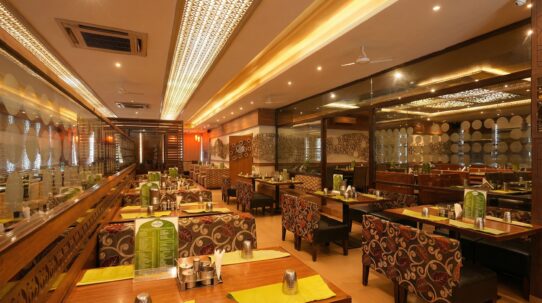
Bangalore has a strong cafe culture, and you will find well-made filter coffee at small darshinis, which are the local term for quick-service South Indian restaurants, as well as at specialty coffee shops scattered through areas like Koramangala, Indiranagar, and Jayanagar. A meal at a darshini is not only affordable but often genuinely good. Masala dosa, idli with sambar, and bisibelebath are staples worth trying at a local establishment rather than at a hotel restaurant.
For more detailed guides on specific neighborhoods, festival timings, and local food spots, visit Bangalore for updated recommendations built around how the city actually works today. You can also find transport maps and curated itineraries at Bangalore to help you plan without second-guessing every stop.
Plan Your Bangalore Trip
Bangalore rewards the visitor who moves through it slowly. The city does not reveal itself in a single afternoon at one landmark. Its character comes through in the combination of things: an old tree-shaded street next to a glass office building, a century-old temple a short walk from a craft brewery, a lake that somehow survived decades of urban growth sitting in the middle of a residential neighborhood. Give yourself at least two full days in the city, use the metro where you can, and let the neighborhoods do the work.
Start planning your Bangalore visit today. Head to Bangalore for in-depth location guides, current entry fees, transport routes, and local tips that will help you get the most from every day you spend in the city.