

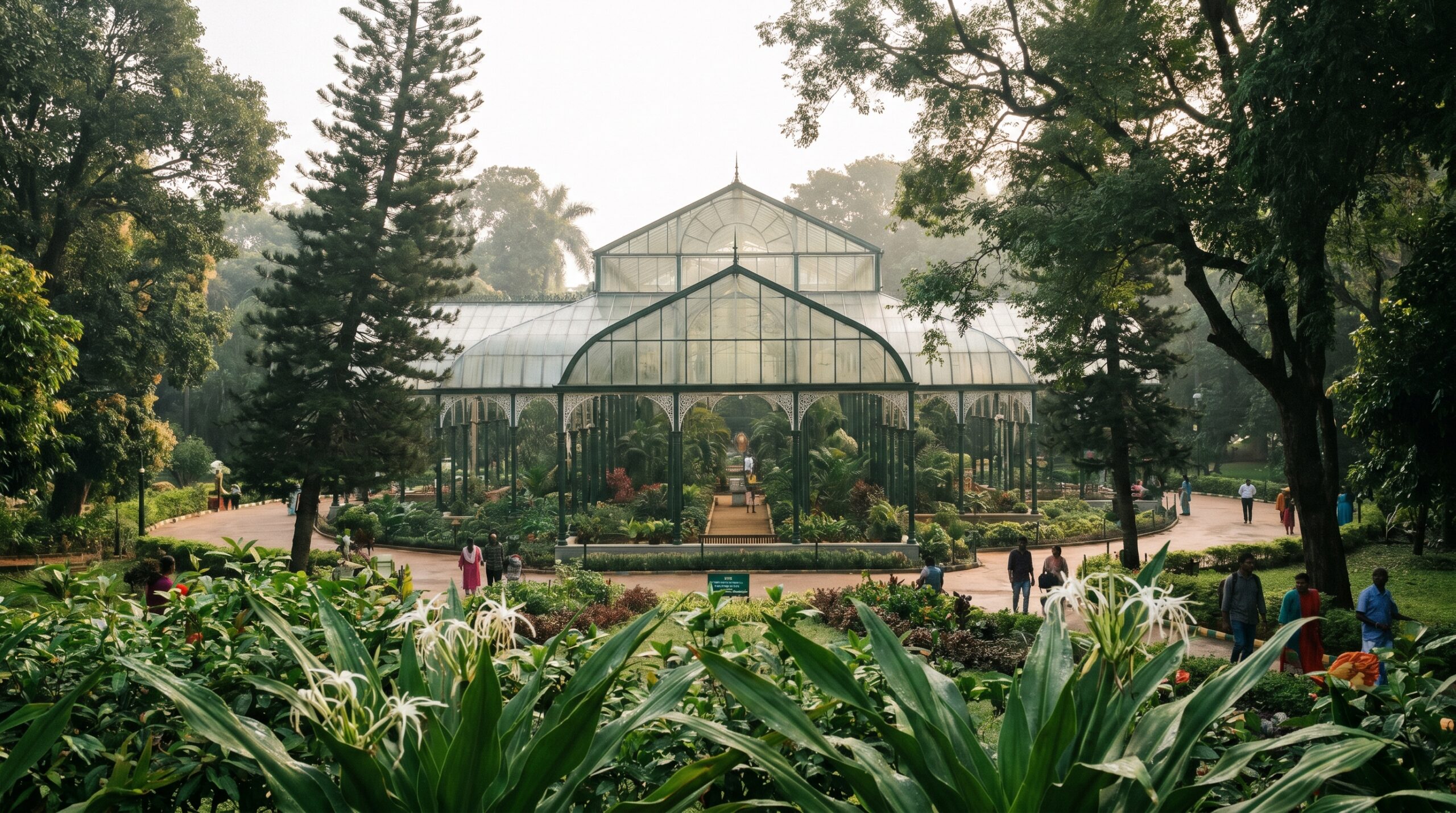
What is the history of Lalbagh Botanical Garden?

Lalbagh Botanical Garden in Bengaluru, Karnataka, was commissioned by Hyder Ali, the ruler of Mysore, in 1760 and later completed by his son Tipu Sultan, who imported rare plants from Persia, Afghanistan, and France to build its botanical wealth. After the fall of Tipu Sultan in 1799, the garden passed into British hands and was […]
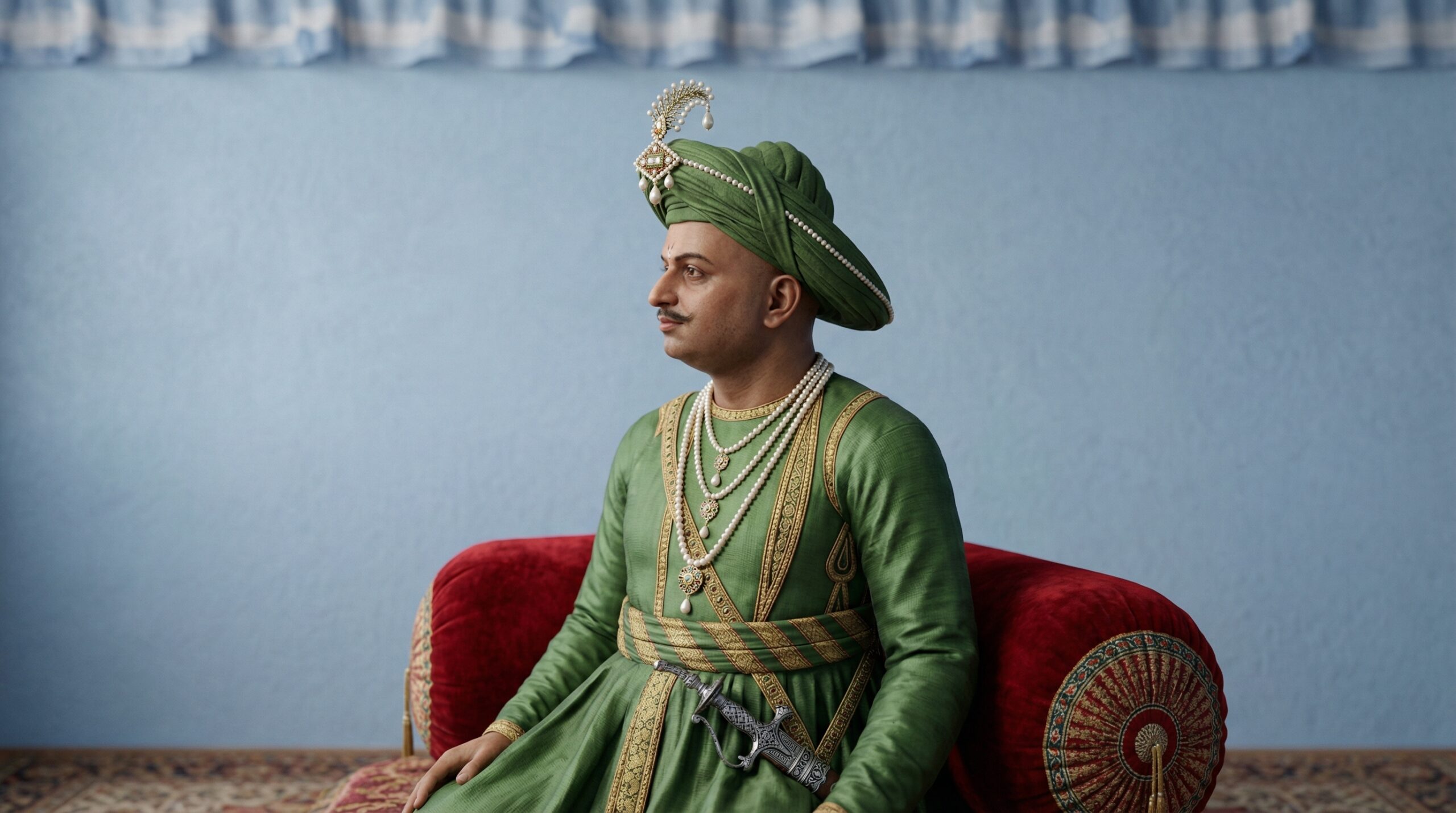
Tipu Sultan and the Mysore Kingdom

The period of Mysore rule over Bengaluru lasted from 1758 to 1791 and was one of the most consequential eras in the history of the city. Within those thirty-three years, a mud fort was rebuilt in stone and a botanical garden of international significance was established. Bengaluru was transformed from a regional market town into […]
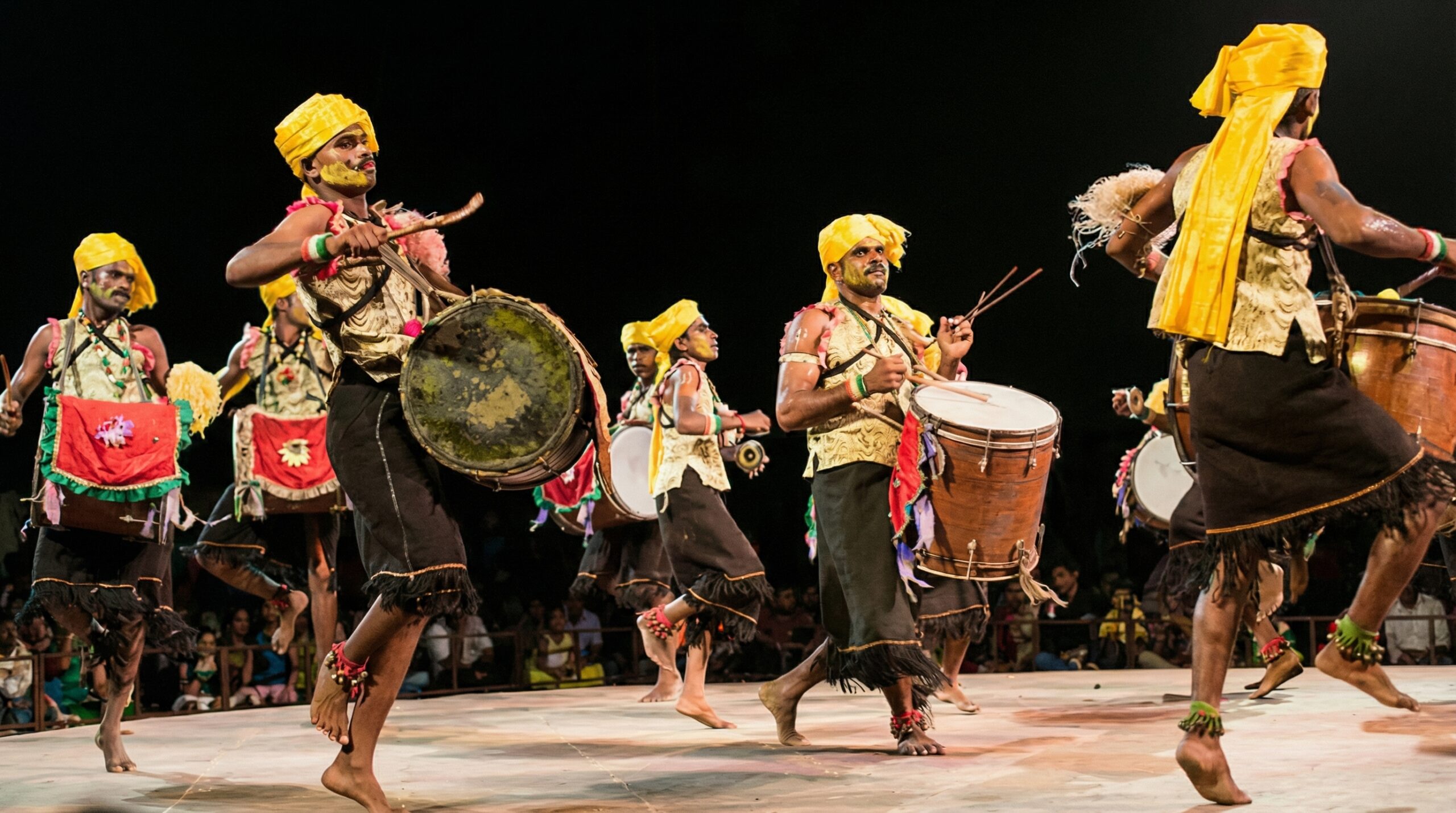
Bengaluru Kannada Literature and Classical Arts
Karnataka has produced more Jnanpith Award winners, India’s highest literary honour, than any other state in the country. Eight Kannada writers have received this recognition. This fact signals something important about the depth and seriousness of the literary culture that has grown out of this region over more than two thousand years. Bengaluru, as Karnataka’s […]
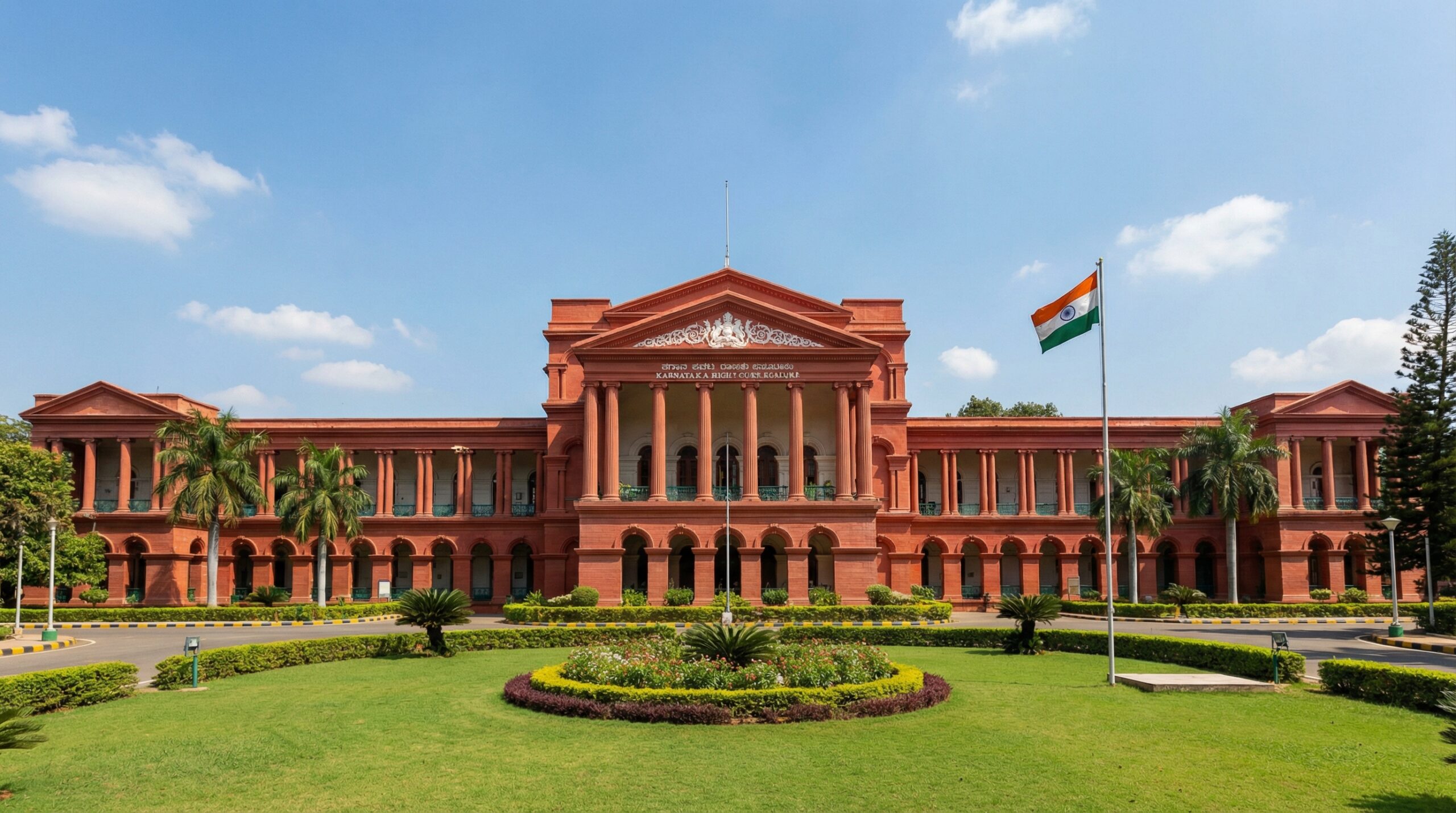
Colonial Architecture of Bengaluru
Bengaluru’s colonial period began in earnest in 1799 when British forces captured Seringapatam, the capital of Tipu Sultan’s kingdom and extended their administrative control across the former Mysore territory. The city they encountered was already a substantial settlement with a well organised market district, a stone fort, a botanical garden of considerable scientific interest and […]
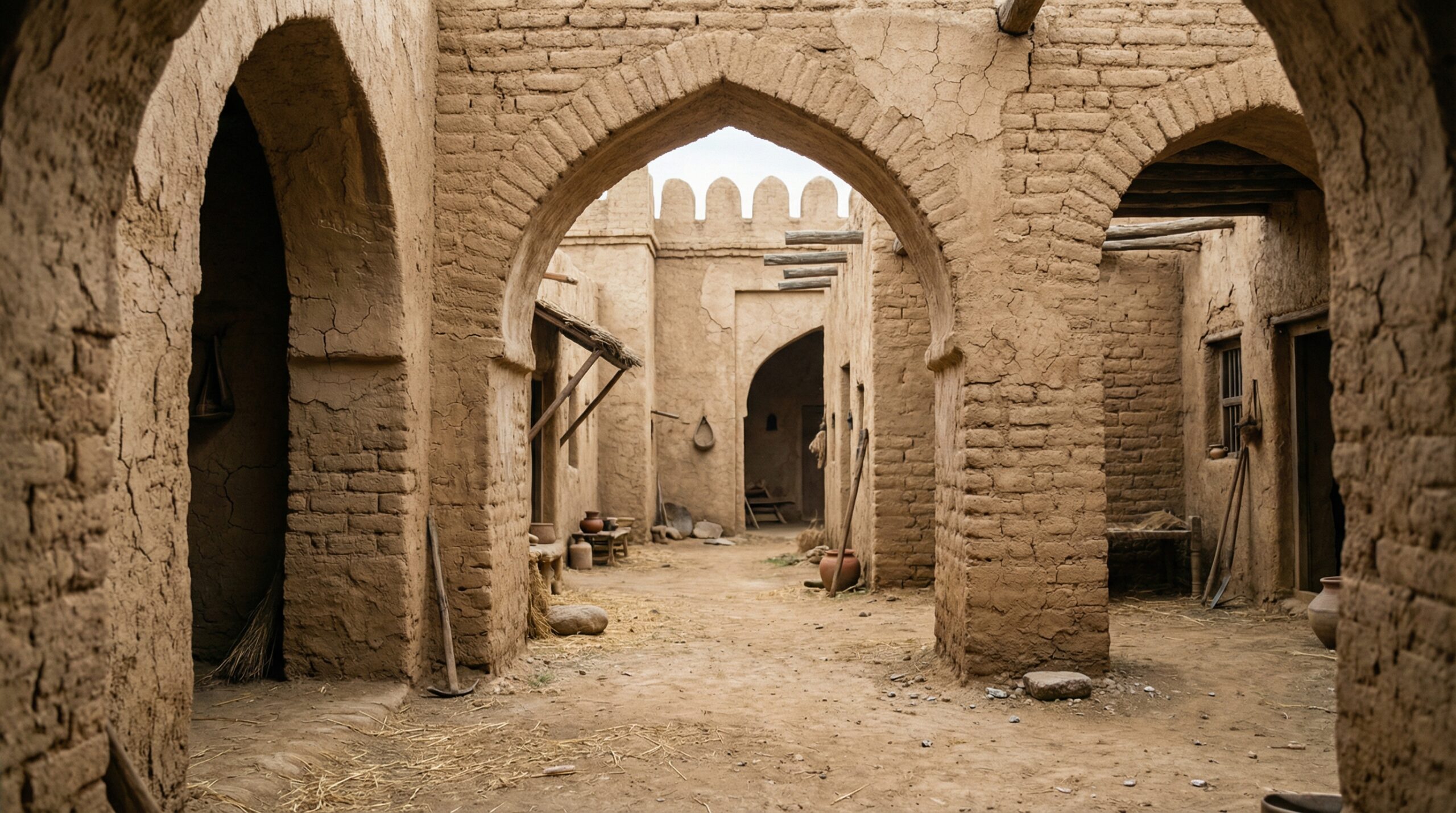
Kempe Gowda I the architect of early Bengaluru
The name Kempegowda appears across Bengaluru with remarkable frequency. It is found on the international airport, on major roads, on public squares and on institutional buildings across the city. For many of the millions of residents and visitors who encounter this name daily, it registers only as a geographical marker or a label attached to […]
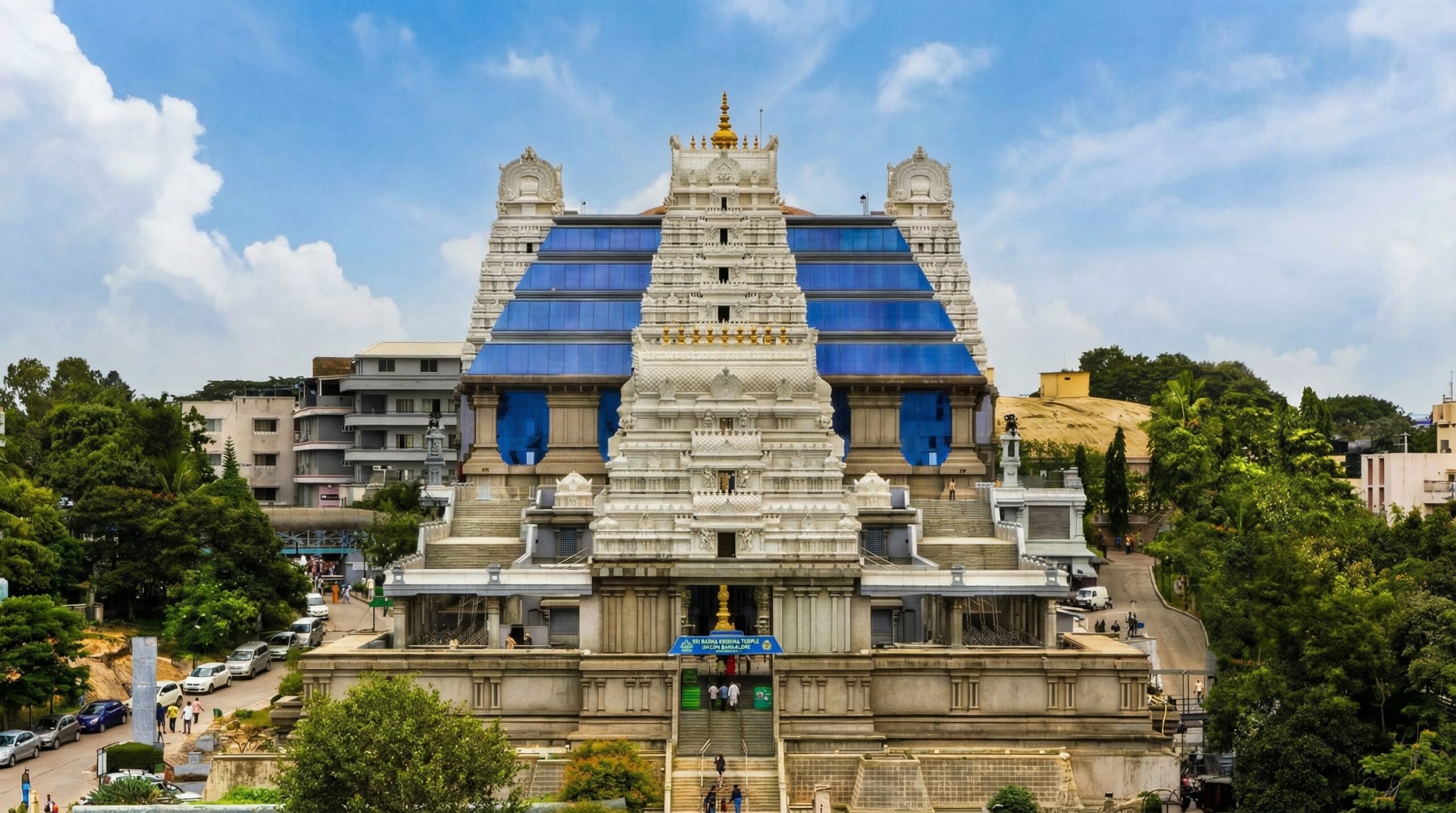
Historical Temples in Bengaluru that Shaped the City

Long before Bengaluru became a centre of commerce and technology, its identity was defined by its temples. These were not merely places of worship but the organising centres of neighbourhood life where festivals were planned, community decisions were made, artisans received patronage, and artistic traditions were sustained across generations. The city that Kempe Gowda I […]
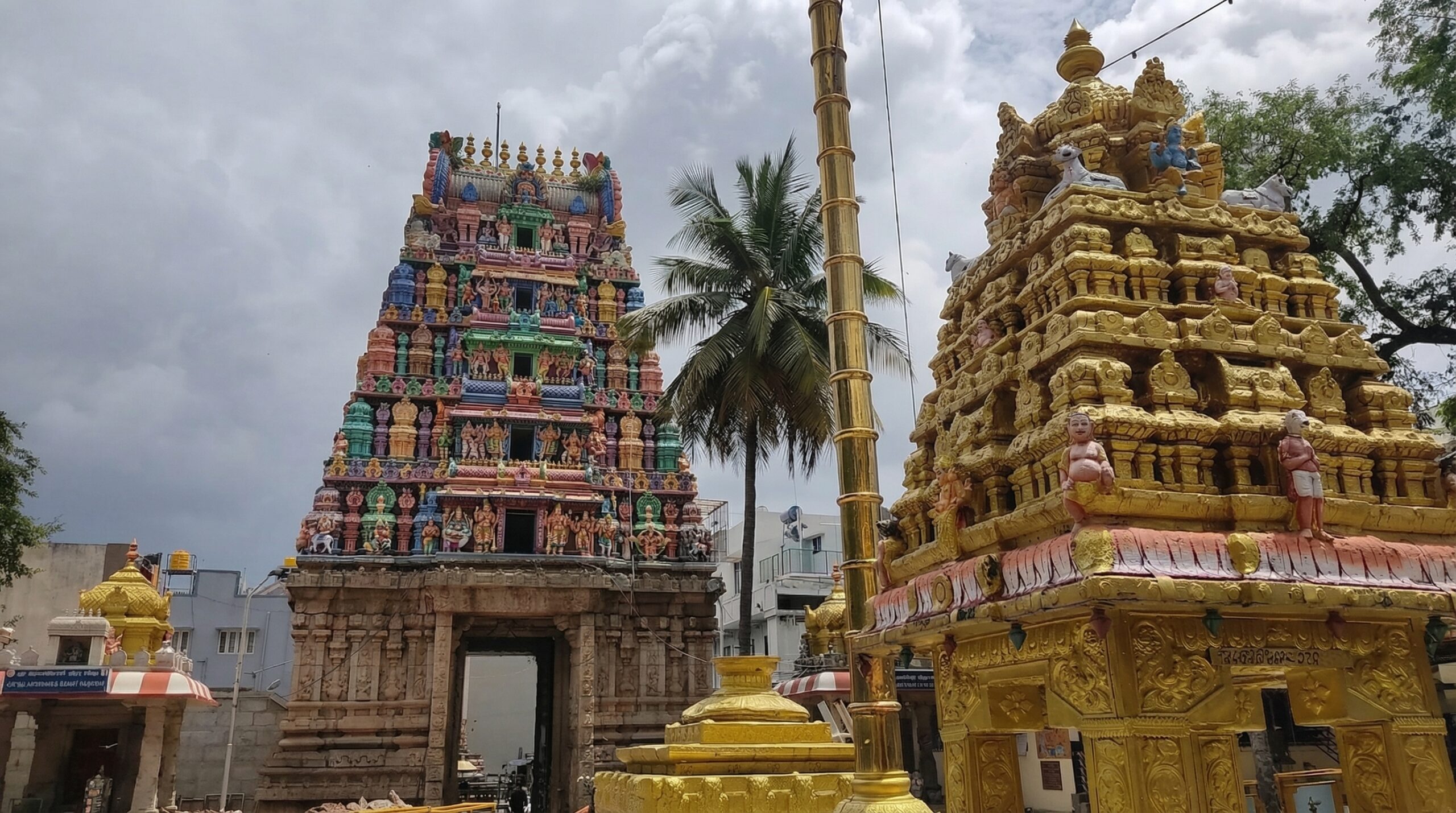
The Ancient History and Living Culture of Bengaluru
Bengaluru carries more than 480 years of documented history within its boundaries, yet most people who move here for work or study encounter the city only as a technology hub. They rarely pause to ask what existed before the glass towers and ring roads. The answer is a city of astonishing depth. It was founded […]