
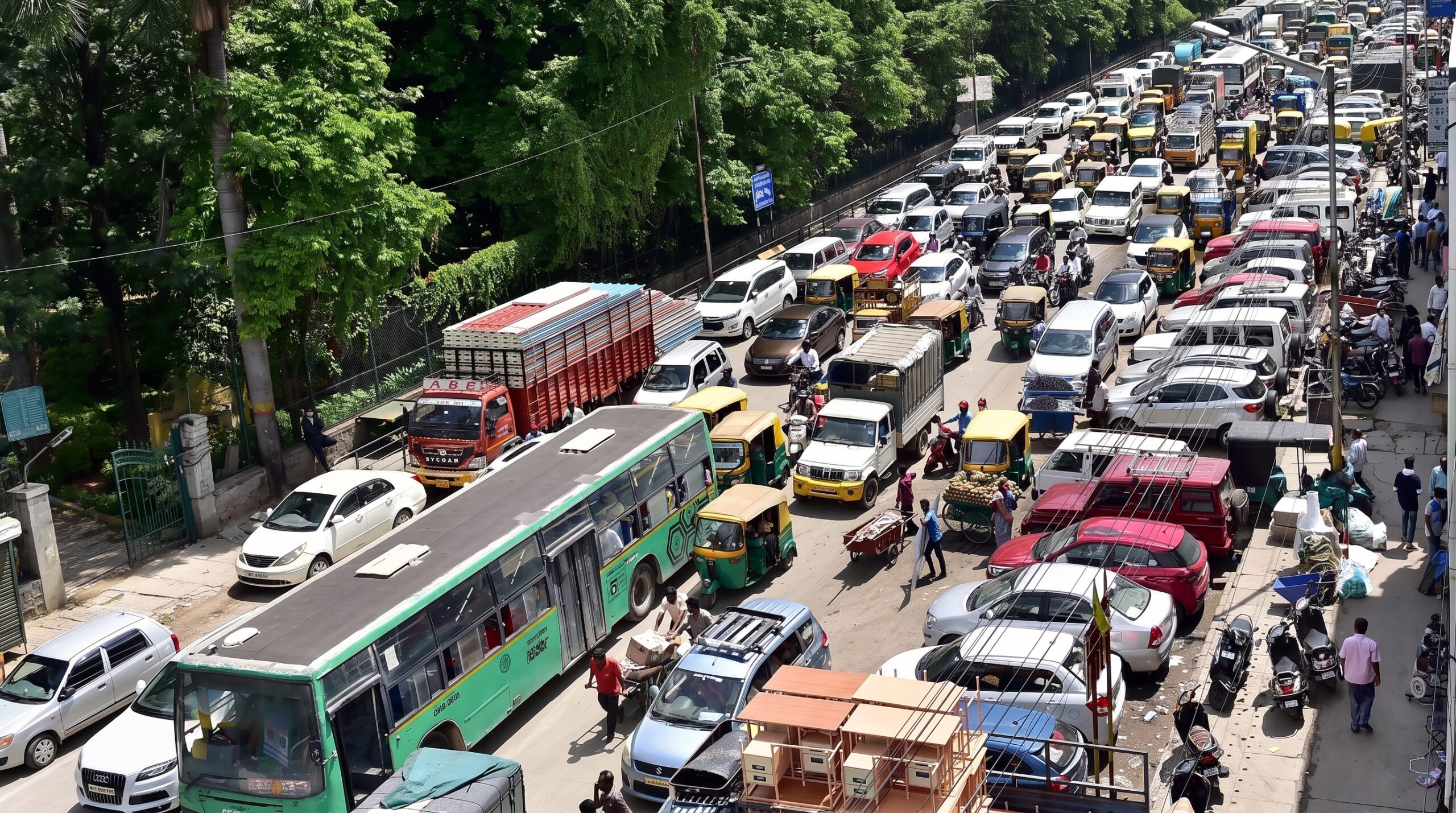


When I first started thinking about this question, I thought the answer would be easy to find. Bangalore’s struggles are part of everyday conversations about the city. Spend enough time reading conversations about the city and the same complaints appear again and again. Traffic turns short distances into long journeys. Rent keeps increasing in popular neighbourhoods. Water shortages return during difficult summers. Roads seem to be repaired, dug up and repaired again. If I looked only at those conversations, I would have assumed Bangalore was a place people stayed in because they had to, not because they wanted to.
But the more I looked into it, the more that idea started to feel incomplete.
The interesting part was that many of the people who complained the most about Bangalore were also the ones who had no immediate plans to leave. They had built careers there, created friendships, started businesses and made everyday routines that were difficult to replace. The question slowly changed for me. Instead of asking why people tolerated Bangalore, I started wondering what made a city with so many frustrations become important to so many people.
The Reason People Arrive
My first instinct was to say it was opportunity. Bangalore has spent decades building its reputation as India’s technology centre and that reputation continues to bring people from across the country. Students arrive looking for better education. Professionals move for new careers. Entrepreneurs come because they believe the city gives their ideas a better chance to grow.
That explanation makes sense. A city with opportunities will naturally attract people. But it only explains the beginning of the story.
The more I read about people’s experiences, the more I noticed that they rarely spoke about the original reason they moved. A job offer might have brought someone to Bangalore, but years later they remembered the people they met, the risks they took and the unexpected moments that shaped their lives. Work opened the door, but something else convinced them to stay.
Somewhere Along the Way, It Changes
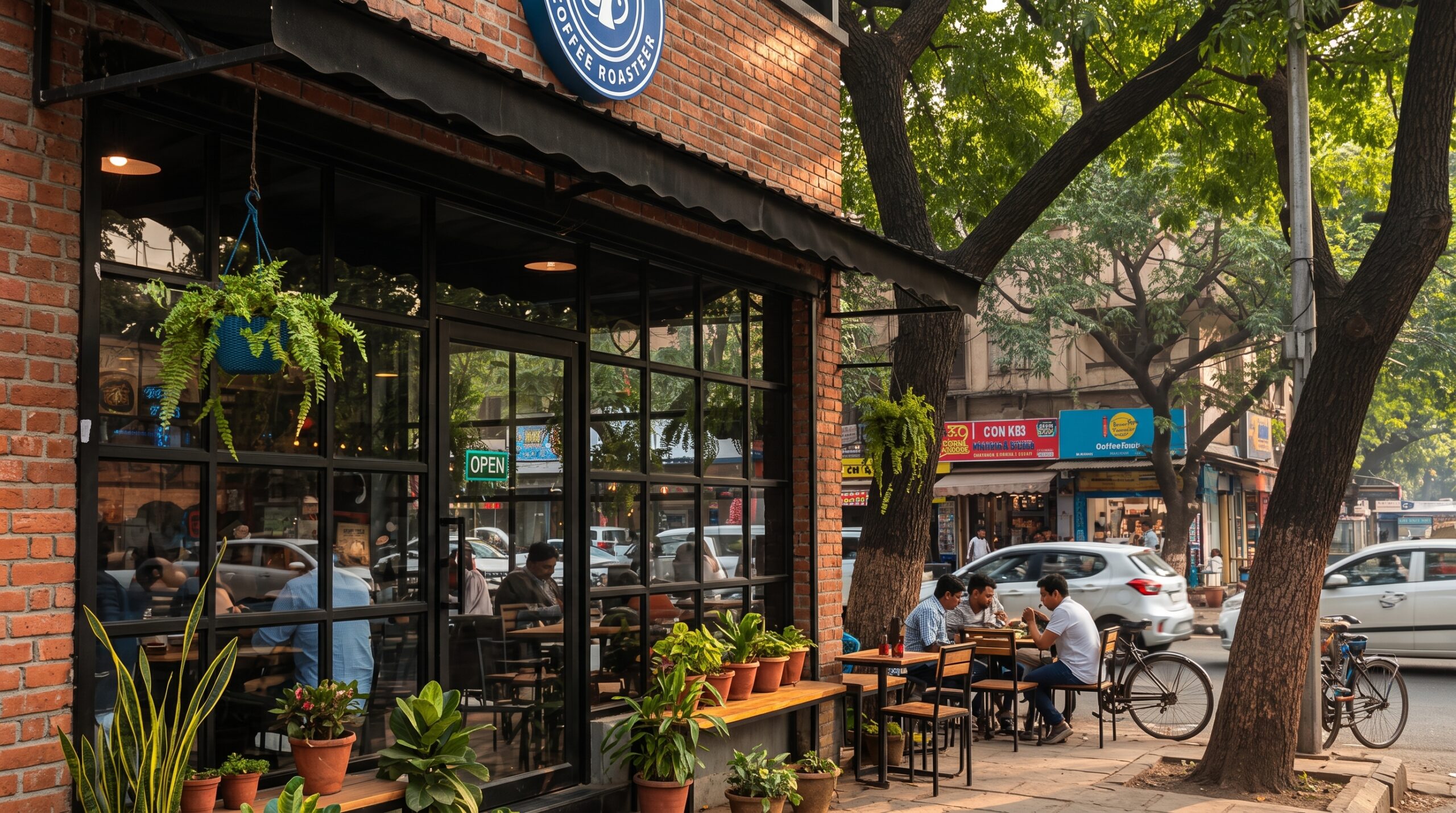
Cities have a strange way of becoming important without announcing it. Nobody moves to a new city expecting a particular street corner or a small café to become part of their memories. Those things happen slowly. A restaurant becomes the place where friends meet after a difficult week. A neighbourhood becomes familiar because you know which shops stay open late. A morning walk becomes a routine that helps bring some calm into a busy life.
As I looked at the way people talked about Bangalore, I noticed they rarely described the city through its famous places. They talked about ordinary experiences. The apartment they shared with friends during their first job. The café where conversations continued long after the coffee was finished. The weekends when they explored a new part of the city without any particular plan. Those moments seem small when they happen, but they are often the memories people carry with them.
The People Who Make a City Feel Familiar
The biggest thing I noticed was that people didn’t seem attached to Bangalore because of Bangalore alone. They were attached to the lives they had built there.
The city brings together people from almost every part of India. Someone from Kochi moves for their first job. Someone from Jaipur arrives for university. Someone from Guwahati finds a career opportunity they never expected. Different backgrounds, languages and experiences meet in offices, neighbourhoods, cafés and shared apartments.
Many of those connections begin randomly. A colleague becomes a close friend. A flatmate becomes someone you stay connected with for years. A professional relationship becomes a business partnership. These moments are difficult to measure, but they often become the strongest reasons people remember a place.
When people leave a city, they usually don’t miss buildings or roads first. They miss the people who made those places meaningful.
Loving a City With Problems
None of this means Bangalore’s challenges should be ignored. The city’s traffic problems are real. Infrastructure has struggled to keep pace with rapid growth. Housing costs have become a serious concern in many areas. Water availability and urban planning continue to be important issues for residents. These problems affect everyday life, and acknowledging the city’s strengths should not mean pretending its weaknesses do not exist.
What changed my perspective was understanding why people complain.The loudest criticism often comes from people who are deeply connected to the city. They complain because they spend their mornings stuck in traffic, because they want better neighbourhoods and because they expect Bangalore to become better in the years ahead. Their frustration often comes from involvement, not indifference.
There is a difference between being disappointed with a place and giving up on it.
When Bangalore Becomes Home
I started with a simple question: why do people stay in a city that gives them so many reasons to complain? The answer seems less about the city itself and more about what happens inside it.
Bangalore may bring people in through opportunity, but it keeps them through experiences. Careers turn into friendships. Unfamiliar streets become familiar. Temporary plans slowly become permanent chapters of life. At some point, people stop describing Bangalore as the place they moved to and start describing it as the place where something important happened.
Maybe that is why the relationship between people and Bangalore feels so complicated. Someone can complain about the traffic in the morning and still recommend the city to someone searching for a new beginning later that day. Both feelings can exist together.
Some cities impress you immediately. Bangalore is different. It grows on people quietly, through ordinary days and unexpected connections, until one day they realise the city they once came to for a reason has become part of their own story.